%2Ffit-in%2F250x250%2Fguide_websites%2F730%2Fimages%2Ffishing_magician.png&w=1920&q=100)
Redfish Sheepshead Catch Ruskin FL Fishing Charter
Inshore Fishing in Ruskin - What to Expect
%2F%2Fusers%2F3e96378d-eafd-4555-bdb3-7991ee6edb9f%2Fimages%2Fruskin-mixed-species-fishing-catch-3086.jpg&w=1920&q=75)
Fishing Charter by Captain Eric Topole in May
- Reel in Tampa Bay's Best Fishing Adventures!


Summary
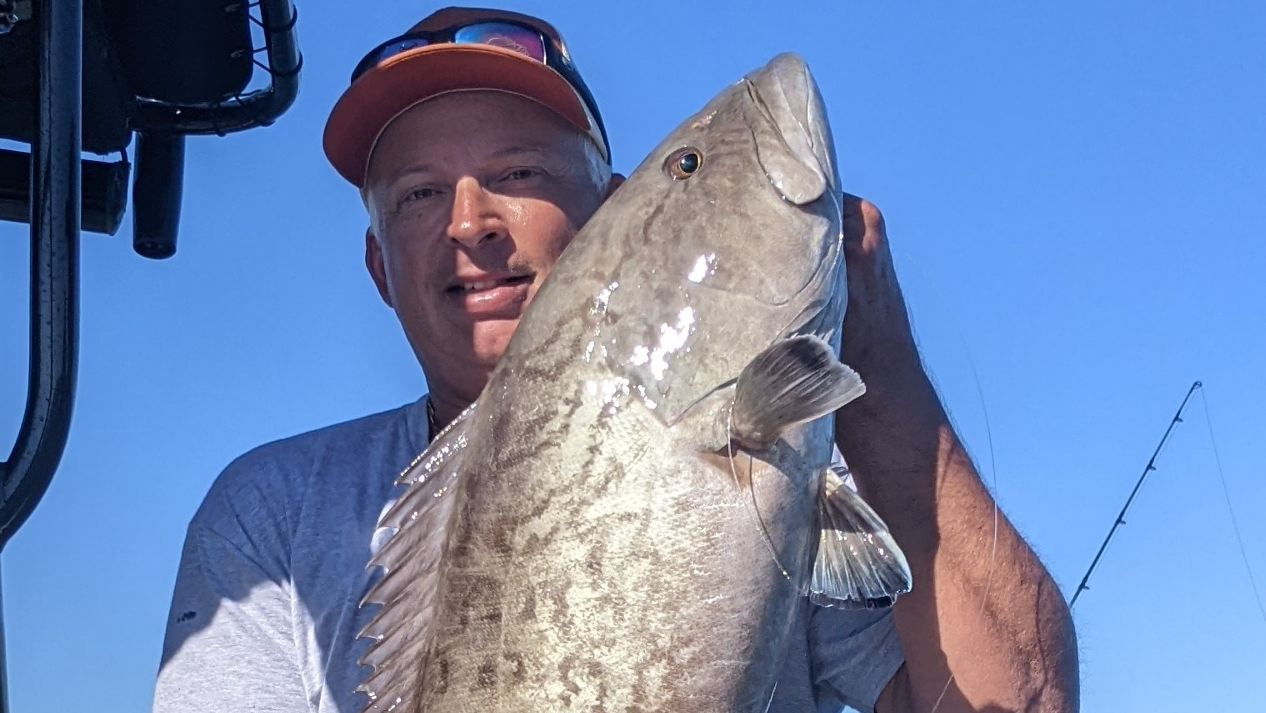
Join a fishing charter in Ruskin with Captain Eric Topole of Fishin Magician Inshore Charters on a Friday in May, where calm waters and abundant species create the perfect opportunity to haul in redfish, sheepshead, Spanish mackerel, and white grunt. This inshore fishing adventure showcases the productive shallow-water ecosystem of Tampa Bay.
Fishing Charter with Captain Eric Topole - Rates & Booking
Captain Eric Topole of Fishin Magician Inshore Charters operates out of Ruskin on Friday, May 9th, delivering authentic inshore fishing experiences in the shallow waters of Tampa Bay. This guided fishing charter targets the species that make these waters legendary among anglers seeking action-packed days on the flats and in deeper channels.
Contact Fishin Magician Inshore Charters to book your charter and secure your spot on the water. Captain Eric customizes each trip based on tidal conditions, weather, and seasonal patterns to maximize your chances of connecting with quality fish. The charter accommodates anglers of all skill levels, whether you are chasing your first redfish or refining your technique on proven shallow-water grounds.
Highlights of Your Inshore Adventure
The waters surrounding Ruskin and Tampa Bay present some of Florida's most rewarding inshore fishing opportunities. On this particular charter, anglers encountered redfish, sheepshead, Spanish mackerel, and white grunt - a diverse spread that reflects the rich ecosystem thriving in these productive shallows. Each species brings its own challenge and reward, from the explosive strikes of Spanish mackerel to the stubborn runs of thick-bodied redfish.
The morning departure allows you to arrive on prime feeding grounds at first light, when the shallow flats come alive with predatory fish hunting in the clear water. The calm conditions typical of Tampa Bay in May create ideal visibility and stable platforms for sight-casting, poling, or drifting depending on the target species and location.
Local Species Insights: Redfish, Sheepshead & Spanish Mackerel
The waters of Ruskin host a dynamic mix of inshore gamefish, each with distinct characteristics that make them exciting targets. Redfish, or red drum, are the signature species of Florida's shallow-water fishery. These powerful, bronze-colored fish inhabit grass flats, mangrove edges, and sandy bottom areas where they hunt crustaceans and smaller fish. Redfish are known for their aggressive takes and hard-charging runs, making them a favorite among sight-casters who love the visual element of shallow-water fishing.
Sheepshead are bottom dwellers with a distinctive black and white striped pattern and powerful jaws built for crushing hard-shelled prey like crabs and oysters. They frequent structures such as pilings, jetties, and oyster bars throughout Tampa Bay. Their preference for specific structure and finicky feeding behavior makes them a technical challenge that appeals to experienced anglers seeking a puzzle to solve.
Spanish mackerel are sleek, silver speedsters that hunt small baitfish in open water and along drop-offs. Their sharp teeth and lightning-fast strikes deliver an adrenaline rush unlike most inshore species. These fish appear in the shallows during warmer months, patrolling near bait schools and creating explosive surface activity.
White grunt, smaller in size but spirited fighters, round out the mix. These colorful reef and structure-dwelling fish provide consistent action and excellent table fare, making them valuable both as sport and sustenance.
The shallow-water environment of Tampa Bay supports all these species because of its unique blend of features: grass beds that shelter juvenile fish and attract foraging adults, oyster bars and mangrove roots that provide refuge and feeding zones, deeper channels that serve as highways and holding areas, and consistent tidal movement that concentrates fish around specific points and cuts.
Timing and location are everything in Ruskin fishing. Captain Eric's local knowledge of seasonal movements, tidal patterns, and productive structure transforms a day on the water from random casting into strategic pursuit. The May timeframe offers favorable weather and warm water that puts fish in aggressive feeding mode.
Plan Your Fishing Day
A typical inshore charter begins before sunrise with rendezvous at the boat launch. You will head to pre-selected flats, channels, or structure based on current conditions and target species. The captain reads the water constantly, looking for signs of feeding fish such as mullet schools, bird activity, or nervous baitfish fleeing predators.
Bring sunscreen, polarized sunglasses to cut glare and spot fish in clear water, and appropriate footwear for wade fishing if the conditions allow. Most charters provide rods, reels, and tackle unless you prefer bringing your own. Check local regulations regarding licensing - Florida requires saltwater fishing licenses, but many charter operations handle this as part of the booking process.
The full-day format maximizes your time on the water and gives Captain Eric flexibility to move locations if one area is slow. You will return with a cooler of fresh fish, memories of explosive takes, and a genuine appreciation for the complexity and beauty of Tampa Bay's inshore ecosystem.
Fishing in Tampa Bay: White Grunt, Redfish, Sheepshead and Spanish Mackerel
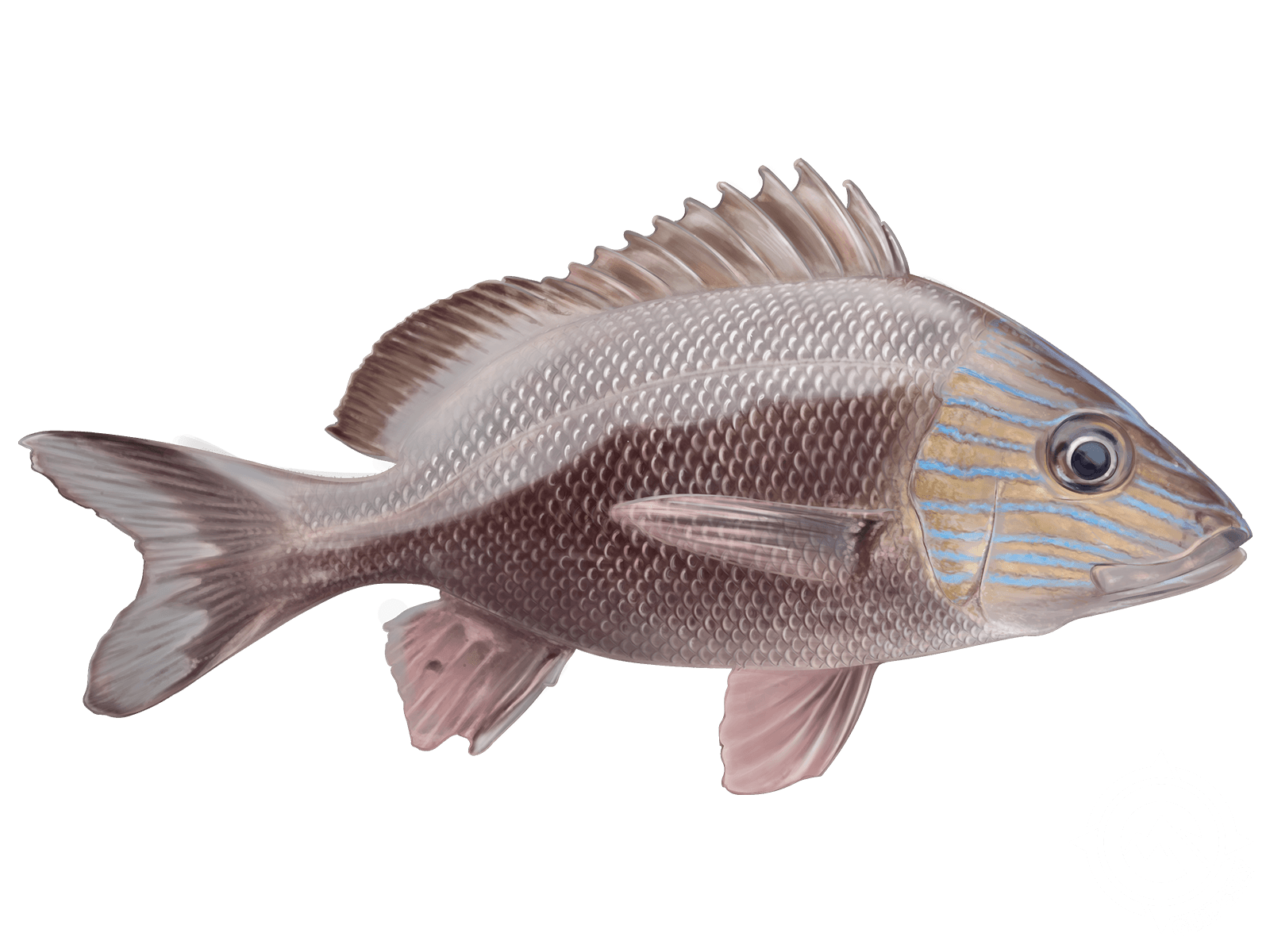
White Grunt Overview
The White Grunt (Haemulon plumierii) is a fascinating member of the Haemulidae family within the order Perciformes, native to the Atlantic Ocean and widely recognized as one of the most engaging game fish for recreational anglers. Known by multiple colorful nicknames—including flannelmouth grunt, redmouth grunt, boar grunt, and Key West grunt—this species is instantly recognizable by its striking silvery-blue to creamy yellow body adorned with vertical blue and yellow stripes, a distinctive red snout, and an elegant almond-shaped silhouette. What makes the White Grunt truly special is the audible "grunting" sound it produces by grinding its pharyngeal teeth, a behavior that has fascinated anglers and coastal residents from the Florida Keys to the Caribbean for generations. The species thrives in diverse marine environments and remains a cornerstone of recreational fishing experiences throughout its native range.
White Grunt Habitat and Distribution
The White Grunt flourishes throughout the Western Atlantic, with its range extending from Chesapeake Bay south through the Gulf of Mexico and Caribbean waters all the way to Brazil. These adaptable fish are commonly found in reefs, docks, and mangrove ecosystems, preferring shallow waters that typically range from the shoreline down to approximately 98 feet in depth, though specimens occasionally venture into deeper hard-bottom habitats reaching 115 feet. Young White Grunts tend to inhabit inshore nursery areas, while mature individuals spend more time in offshore and backcountry environments. The species demonstrates remarkable versatility in habitat selection, capable of thriving in both natural reef structures and artificial environments like pier pilings and rocky outcrops, making them accessible to anglers fishing from shore, boat, or kayak throughout most coastal regions of the southeastern United States.
White Grunt Size and Weight
On average, the White Grunt ranges from 6 to 14 inches in length and typically weighs between 2 to 6 pounds when encountered by recreational anglers. However, larger specimens do exist—historical records document White Grunts reaching up to 20 inches and weighing as much as 15 to 20 pounds, though these trophy-sized fish are considerably less common. The species exhibits a typical lifespan of 9 to 12 years in the wild, allowing ample opportunity for anglers to pursue both juvenile fish in shallow waters and more substantial adults in deeper offshore zones. The gradual growth pattern means that patience and proper technique often yield better-sized specimens for both catch-and-release enthusiasts and those interested in a culinary experience.
White Grunt Diet and Behavior
As nocturnal and opportunistic carnivores, White Grunts display fascinating feeding behavior that makes them highly responsive to angler presentations. Adult fish primarily feast on mollusks, echinoderms, annelids, and benthic crustaceans—especially shrimp—which they hunt along sandy bottoms and around reef structures during low-light hours. Juvenile White Grunts begin their dietary journey consuming copepods and plankton before transitioning to bottom-dwelling prey as they mature. This species is equally notable for its social and aggressive territoriality; White Grunts confront rivals by pushing each other on the lips with mouths agape in dramatic displays of dominance. The famous "grunting" vocalization—produced by grinding pharyngeal teeth and amplified by the air bladder—serves as a distress call and becomes particularly audible when fish are hooked by anglers. White Grunts face predation from sharks, barracuda, lizardfishes, groupers, and snappers, shaping their cautious yet aggressive feeding strategies.
White Grunt Spawning and Seasonal Activity
While specific spawning details for the White Grunt remain somewhat understudied compared to other game fish, the species demonstrates distinct seasonal patterns influenced by water temperature, lunar cycles, and reproductive biology. Peak activity typically occurs during warmer months when inshore and backcountry populations become most concentrated and responsive to angler efforts. Juveniles are more prevalent in shallow, protected nursery habitats during spring and early summer, while adults migrate toward deeper offshore structures as water temperatures fluctuate. Understanding these seasonal movements is crucial for anglers planning trips—targeting shallow mangrove areas during cooler months often yields consistent results, while summer fishing frequently benefits from deeper reef and wreck presentations. The species' year-round availability in most of its range means opportunities exist throughout the calendar, though local conditions and water temperatures should guide tactical decisions.
White Grunt Techniques for Observation and Capture
Hook and Line Method: The most popular and accessible technique for targeting White Grunts involves standard hook-and-line fishing with natural baits. Shrimp—both live and dead—rank as the premier choice, though cut mullet, squid, and small crustaceans also produce excellent results. Cast near structure such as mangroves, dock pilings, rocky outcrops, and reef edges, allowing baits to settle near the bottom where these fish hunt. Early morning and late afternoon periods, particularly around dusk, coincide with peak feeding activity. Light to medium spinning or conventional tackle rated for 10-20 pound test works ideally, allowing for sensitivity while maintaining sufficient backbone for hooksets. Around the Florida Keys and throughout the Caribbean, this approach yields consistent success both from shore-based structures and small boats operating in backcountry flats.
Artificial Lure Presentation: White Grunts readily respond to small artificial lures including jigs (1⁄2 to 1 ounce), small soft plastics (3-4 inches), and compact topwater plugs. Bounce jigs slowly along the bottom near rocky areas and reef edges, maintaining contact with the substrate where these bottom feeders hunt. Soft plastic presentations rigged on light jigheads allow for precise depth control and natural swimming action. The species' opportunistic nature means lures should mimic available prey—shrimp imitations and small fish profiles consistently outperform larger offerings. This method excels during daylight hours when visual presentations trump scent-based triggers.
Commercial Capture Methods: Professional fishermen employ seines, bottom trawls, and fish traps to capture White Grunts at commercial scales, though recreational anglers need not employ such techniques. These methods highlight the species' bottom-dwelling habits and schooling behavior—information valuable for understanding where to concentrate fishing efforts.
Local Tip—South Florida Waters: Anglers fishing the shallow backcountry around Biscayne Bay, the Marquesas Keys, and the shallow reefs off the Florida Keys should focus on dawn and dusk periods, targeting structure in 6-15 feet of water with live shrimp on light spinning tackle. The White Grunt's preference for tight cover means accurate casting to specific targets—mangrove prop roots, dock supports, and small coral heads—yields dramatically better results than blind casting into open water.
White Grunt Culinary and Utilization Notes
The White Grunt has earned considerable respect in culinary circles for its flaky white flesh, mild flavor, and excellent texture when properly prepared. The species' meat remains delicate and sweet, making it ideal for pan-frying, baking, or incorporating into fish stews and ceviche. While the White Grunt possesses limited commercial value in modern seafood markets, it remains a cherished eating fish for recreational anglers and coastal communities. In Florida cuisine, "Grits and Grunts"—a traditional Lowcountry dish combining stone-ground cornmeal (grits) with White Grunt—represents a celebrated culinary tradition. The fish's sustainability profile appears favorable, with the IUCN not currently listing the species as vulnerable or endangered, making it an ethical choice for harvest-oriented anglers. For those practicing catch-and-release, the White Grunt's hardiness and strong constitution ensure excellent survival rates when handled carefully. Beyond culinary use, the species' brilliant coloration and hardy temperament have made it a popular aquarium pet, particularly in saltwater hobby systems where specimens display their distinctive striping and behavioral patterns.
White Grunt Frequently Asked Questions
Q: What is the best bait for catching White Grunts?
A: Live or dead shrimp rank as the premier bait choice, though cut mullet, squid, and small crabs also produce excellent results. The species' preference for bottom-dwelling prey means presenting baits near the seafloor in 6-20 feet of water yields the most consistent success. Cast near structure and allow baits to settle naturally rather than constant movement.
Q: Where can I find White Grunts near the Florida Keys?
A: White Grunts thrive throughout the Keys in shallow backcountry areas, particularly around mangrove edges, dock pilings, and small rocky reefs in 6-15 feet of water. The shallow waters surrounding Biscayne Bay, the Marquesas Keys, and the reef systems off Key West offer excellent opportunities. Early morning and dusk periods coincide with peak activity, though the species remains available year-round.
Q: Is the White Grunt good to eat?
A: Yes, absolutely. The White Grunt features flaky white flesh with a mild, sweet flavor that anglers and chefs consistently praise. Pan-frying with butter and lemon represents a classic preparation, though the meat adapts well to baking, stewing, or ceviche applications. The traditional Lowcountry dish "Grits and Grunts" showcases the species' culinary potential. The species demonstrates a favorable sustainability profile, making it an ethical choice for harvest-oriented anglers.
Q: When is the best time to catch White Grunts?
A: White Grunts are nocturnal feeders, making early morning (pre-dawn through mid-morning) and late afternoon through dusk the prime periods. The species remains available year-round, though warmer months typically concentrate populations in accessible shallow water. Fishing around structure during these low-light windows maximizes your chances of connecting with this opportunistic species.
Q: How do White Grunts make their distinctive grunting sound?
A: The White Grunt produces its characteristic "grunt" by grinding its pharyngeal teeth located in the back of its throat. This grinding motion is amplified by the fish's air bladder, creating an audible vocalization that serves primarily as a distress call. Anglers frequently hear this sound when White Grunts are hooked or handled—a unique and memorable aspect of the angling experience.
Q: What equipment do I need to fish for White Grunts?
A: Light to medium spinning tackle rated for 10-20 pound test line works ideally, allowing sensitivity while maintaining sufficient power for reliable hooksets. Pair your spinning reel with a 6-7 foot rod for optimal accuracy and control in backcountry and inshore environments. Small hooks (sizes 2-4) rigged with shrimp, along with lightweight jigs (1⁄2-1 ounce) or small soft plastics, round out a complete White Grunt setup suited for recreational success.
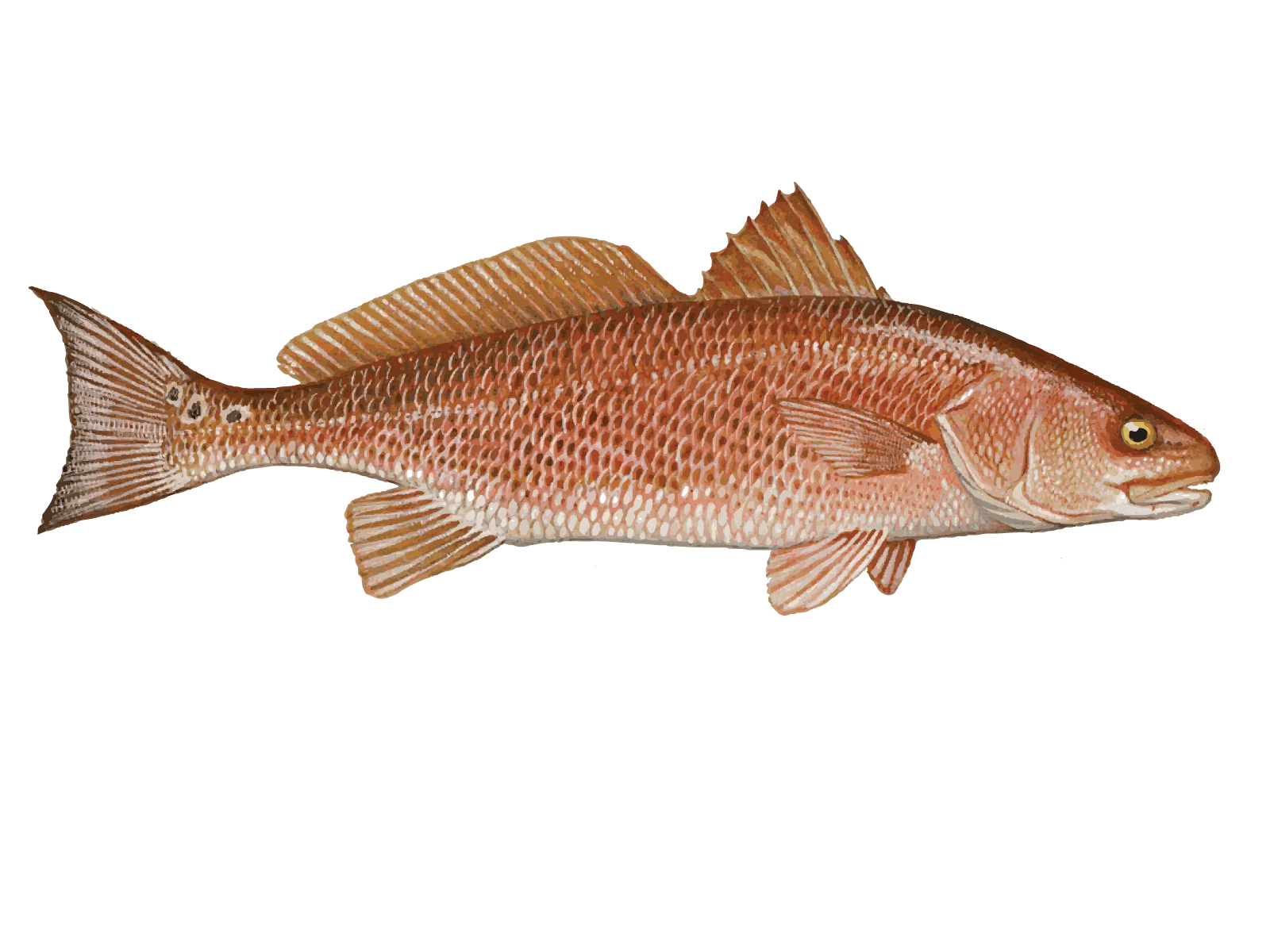
The Redfish (Sciaenops ocellatus), commonly known as Red Drum, belongs to the family Sciaenidae within the order Perciformes and stands as one of the most sought-after inshore game fish along the Atlantic coast. Distinguished by their characteristic copper-bronze coloration that fades to white on the belly and one or more distinctive black eyespots near the tail, these remarkable fish have captivated anglers for generations. The eyespots serve as a fascinating evolutionary adaptation, confusing predators into attacking the tail end rather than the head, allowing for quick escapes. With lifespans reaching up to 40 years and females capable of producing up to 3 million eggs in a single spawning event, Red Drum represent both resilience and abundance in coastal ecosystems.
Redfish Overview
Red Drum are quintessential shallow-water predators that thrive in the dynamic environments where fresh and saltwater meet. Found throughout the Atlantic coast from Massachusetts to northern Mexico, including the entire Gulf of Mexico, these fish have become synonymous with flats fishing and sight fishing opportunities. Their preference for extremely shallow water, often with their backs exposed above the surface, makes them ideal targets for both novice and experienced anglers. The species gained significant conservation attention in the 1980s when commercial overfishing threatened populations, leading to strict regulations that have successfully restored their numbers across most of their range.
Redfish Habitat and Distribution
These adaptable fish inhabit a diverse range of coastal environments, showing a strong preference for shallow bays, oyster reefs, grass flats, lagoons, and tidal creeks. They typically favor depths between 1 and 4 feet, though larger specimens venture into deeper nearshore waters. Red Drum demonstrate remarkable versatility in bottom preferences, thriving over mud, sand, and shell substrates while utilizing both natural vegetation like seagrass beds and artificial structures such as docks, piers, and jetties. Their distribution extends from the Chesapeake Bay region down through Florida and across the Gulf Coast, with some of the most productive fisheries found in Louisiana, Texas, North Carolina, and South Carolina waters.
Redfish Size and Weight
Adult Red Drum typically range from 30 to 61 inches in length, with weights commonly falling between 10 and 45 pounds, though exceptional specimens can exceed these parameters significantly. Sexual dimorphism is evident in mature fish, with females generally growing larger than males, averaging 33 inches compared to the male average of 28 inches. The species reaches sexual maturity between 3 to 5 years of age, after which growth rates vary considerably based on geographic location and environmental conditions. The current world record stands at an impressive 94 pounds 2 ounces, caught off the North Carolina coast, demonstrating the true potential size these fish can achieve in optimal conditions.
Redfish Diet and Behavior
Red Drum are opportunistic predators with voracious appetites, feeding primarily on crustaceans, mollusks, and small fish. Their diet includes blue crabs, shrimp, mullet, menhaden, and various bottom-dwelling invertebrates. They exhibit interesting feeding behaviors, often creating muddy plumes while rooting through soft bottoms in search of prey, a behavior that makes them visible to sight-fishing anglers. These fish demonstrate strong site fidelity, typically remaining within relatively small home ranges throughout their lives. They are most active during dawn and dusk periods, though feeding can occur throughout the day depending on tidal movements, weather conditions, and prey availability.
Redfish Spawning and Seasonal Activity
Spawning occurs in nearshore waters from late summer through early fall, typically between August and November, with peak activity varying by latitude. Mature fish migrate from their inshore habitats to deeper coastal waters where females release massive quantities of eggs in multiple spawning events. The fertilized eggs drift with currents for approximately 24 hours before hatching, with larvae eventually recruiting to shallow estuarine nursery areas. Seasonal movements are generally limited, though some populations show patterns of moving to slightly deeper water during extreme cold weather events. Juvenile fish remain in shallow nursery areas for their first few years before joining adult populations.
Redfish Techniques for Observation and Capture
Sight fishing represents the pinnacle of Red Drum angling, requiring polarized sunglasses, shallow-draft boats or wading gear, and the ability to spot fish in skinny water. Successful techniques include using topwater plugs like walk-the-dog style lures, soft plastic jigs resembling shrimp or crabs, and live bait such as shrimp, crabs, or cut mullet. Fly fishing enthusiasts achieve excellent results with weedless patterns in the 3 to 6-inch range, particularly crab and shrimp imitations. Around popular fishing destinations like Charleston, South Carolina, local guides recommend focusing on oyster bars during moving tides and grass flats during slack water periods. The key to consistent success lies in understanding tidal movements, as these fish are most active and predictable when water is moving.
Redfish Culinary and Utilization Notes
Red Drum offer excellent table fare when properly handled and prepared, featuring mild, slightly sweet white meat with a firm texture that adapts well to various cooking methods. The flesh contains high levels of protein and beneficial omega-3 fatty acids, along with essential vitamins and minerals including B12 and selenium. Smaller fish, often called "rat reds," typically provide the best eating quality, while larger breeding-size fish are often released to maintain population health. Popular preparation methods include grilling, blackening, baking, and frying, with the versatile meat absorbing seasonings and marinades effectively. Sustainable harvesting practices and adherence to size and bag limits ensure continued availability of this valuable food fish for future generations.
Redfish Frequently Asked Questions
Q: What is the best bait for catching Red Drum?
A: Live or fresh-dead shrimp consistently produces excellent results, followed closely by blue crab and cut mullet. For artificial lures, topwater plugs during low-light conditions and soft plastic jigs worked slowly along the bottom are highly effective choices that mimic natural prey items.
Q: Where can I find Red Drum near coastal areas?
A: Focus your efforts on shallow grass flats, oyster bars, tidal creeks, and areas where structure meets open water. Look for moving water during tide changes, and don't overlook extremely shallow areas where fish may be "tailing" or feeding with their backs exposed above the surface.
Q: Is Red Drum good to eat?
A: Absolutely, Red Drum provides excellent table fare with mild, sweet-tasting white meat that works well with various cooking methods. Smaller fish typically offer the best eating quality, while many anglers practice catch-and-release with larger breeding-size specimens to support population sustainability.
Q: When is the best time to catch Red Drum?
A: Early morning and late afternoon generally provide the most productive fishing, coinciding with natural feeding periods. Spring and fall months often yield the most consistent action, though these fish can be caught year-round in most of their range, with activity levels influenced by water temperature and tidal movements.
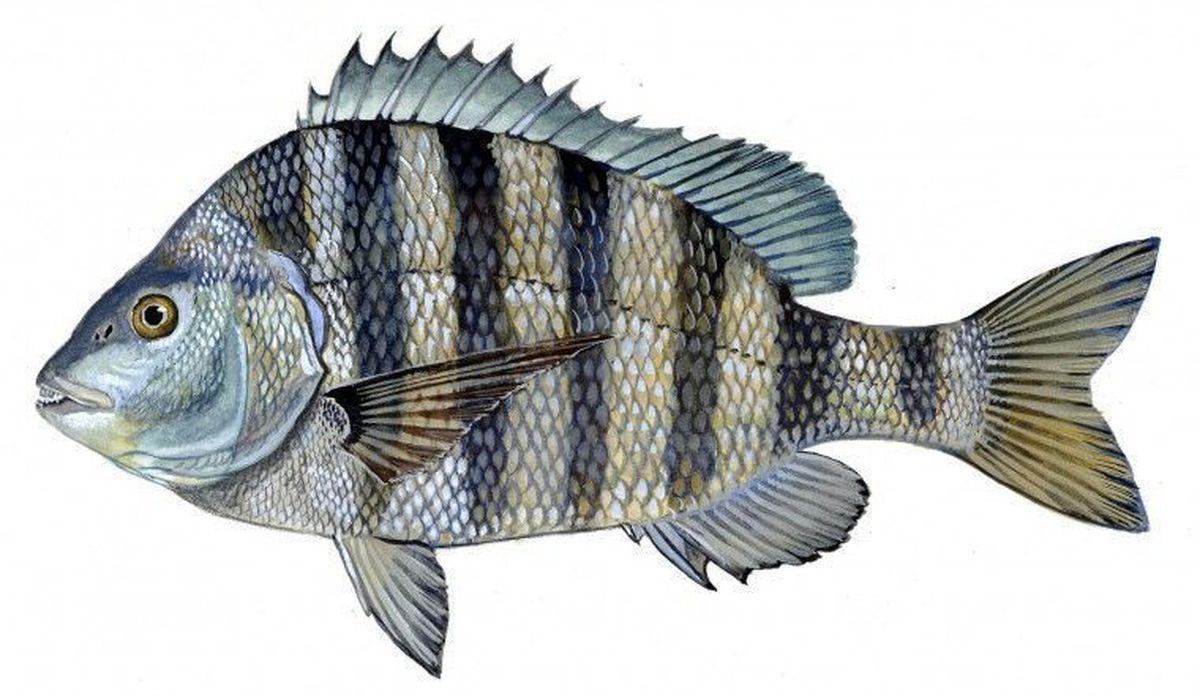
Sheepshead Overview
The Sheepshead (Archosargus Probatocephalus) belongs to the family Sparidae and order Perciformes, making it a distinguished member of the sea bream family found along the Atlantic coast and Gulf of Mexico. This beautifully compressed grey fish is instantly recognizable by its five to seven dark vertical bars running along its sides, a pattern that earned it the colorful nickname 'convict fish.' But what really sets the Sheepshead apart—and often gets a laugh from first-time anglers—are its strikingly human-like teeth, complete with molars perfect for crushing shells and barnacles. These teeth have made Sheepshead a legend in fishing communities from Florida to Nova Scotia, and they're a key reason why landing one is such a memorable experience. Interestingly, Sheepshead Bay in New York was named after these abundant fish, though pollution and development have since caused their populations there to decline dramatically.
Sheepshead Habitat and Distribution
Sheepshead thrive around any structure they can find—docks, bridges, petroleum rigs, jetties, and barnacle-covered pilings are their favorite hangouts. These fish are structure-lovers through and through; you'll rarely find them far from cover, though they'll occasionally venture closer to shore to hunt sand fleas and other crustaceans. The highest concentrations of Sheepshead are found along the entire east coast of the United States, with particularly robust populations from south Florida through the Gulf of Mexico. Northwest Florida sees exceptional numbers thanks to its abundance of artificial structures and pier pilings, making it a hotspot for anglers seeking these elusive fish. They've also been documented as far north as Nova Scotia during warmer months, though they're most abundant in warmer waters year-round.
Sheepshead Size and Weight
Typical Sheepshead range from 1 to 8 pounds and measure 14 to 20 inches in length, making them a rewarding catch for most anglers. However, if fortune smiles on you, these fish can grow considerably larger—trophy specimens have been documented at 20 pounds and 35 inches long. What's truly impressive about Sheepshead is their longevity; these fish can live up to 20 years in the wild, meaning that larger individual you hook could be a veteran of two decades of survival. This combination of size potential and lifespan makes the Sheepshead a respected quarry among serious anglers.
Sheepshead Diet and Behavior
Sheepshead are opportunistic feeders with a particular passion for hard-shelled prey. Their diet consists primarily of barnacles, small stone crabs, and fiddler crabs scraped from pilings and rocky structures, but they also consume shrimp, mollusks, minnows, clams, and squid when available. These fish are notorious bait stealers—they'll nibble delicately at your offering, working to loosen it from the hook with surprising finesse before committing to a full strike. This behavior can be maddening for inexperienced anglers but is part of what makes Sheepshead fishing so exciting and challenging. Once hooked, their powerful mouths and strong jaws require aggressive hook sets to ensure a solid connection. They're also pelagic, meaning they don't always stay at the bottom; they can be found hovering at various depths depending on food availability and water conditions.
Sheepshead Spawning and Seasonal Activity
Sheepshead exhibit fascinating spawning behavior, forming enormous aggregations of up to 10,000 fish that migrate to specific structures during breeding season. These fish move toward channel passes, offshore reefs, jetties, and oil platforms during their spawning period, which primarily occurs in early spring from February through April. Understanding this seasonal movement is crucial for anglers planning trophy hunts, as these spawning aggregations can concentrate fish in predictable locations during these months. Outside the spawning season, Sheepshead remain relatively localized around their preferred structures, making them year-round targets in warmer climates.
Sheepshead Techniques for Observation and Capture
Boat Fishing Method: If you're approaching Sheepshead from a boat, avoid dropping anchor if possible, as the disturbance will spook these wary fish. Instead, position your boat close to the structure—pilings, reefs, or wrecks—and cast your bait as near to the cover as you safely can. Use light tackle and allow your bait to hit bottom, then slowly bring it up in 1-foot increments to determine where the fish are suspended. This vertical exploration is essential since Sheepshead don't always feed on the bottom. Set your bait firmly on the hook to resist their notorious nibbling, and when you feel the weight of a fish working your bait, set the hook with aggression—their powerful jaws require a solid connection.
Shore-Based Method: Dock and seawall anglers can be equally successful by casting their bait as close to pilings as possible, just as boat anglers would. The same vertical jigging technique applies; let your bait work at different depths to locate where the fish are holding. If local regulations permit, consider scraping barnacles off the pilings with a rake to create a scent trail of meat pieces in the water—Sheepshead will zero in on this natural chum and come to you.
Bait and Jig Selection: Natural baits are always your best bet, with shrimp-tipped jigs being an excellent choice when live bait isn't available. The heavier weight of a jig helps keep your presentation near the structure and prevents the current from dragging it away. Around popular fishing destinations in Florida and the Gulf, guides often recommend fiddler crabs and stone crabs as premium options. Fresh shrimp, clams, and squid also work well. Timing your trip for early morning or late evening, when Sheepshead are most active, will significantly improve your odds.
Sheepshead Culinary and Nutritional Notes
Sheepshead is an excellent choice for the dinner table, offering delicate white flesh with a mild, slightly sweet flavor that appeals to most palates. The fish is rich in protein and omega-3 fatty acids, making it a nutritious addition to any diet, and it's notably low in mercury, so you can enjoy it without health concerns. A diet rich in Sheepshead can support heart health by helping to lower blood pressure and reduce the risk of heart disease, while also supporting brain function, boosting immunity, and aiding muscle growth and repair. Whether grilled, baked, or fried, Sheepshead makes an exceptional meal. However, be warned: their tough scales and strong fin spines make cleaning and filleting challenging, which is why some anglers pass them over in favor of easier-to-prepare species. If you're willing to put in the effort or have a skilled filleting knife, the reward is absolutely worth it.
Sheepshead Frequently Asked Questions
Q: What is the best bait for catching Sheepshead?
A: Natural baits are always superior to artificials. Fiddler crabs, stone crabs, fresh shrimp, clams, and squid are all excellent choices. If you prefer jigs, a shrimp-tipped jig works exceptionally well because the extra weight keeps your bait near the structure where Sheepshead feed. Always set your bait firmly on the hook—these fish are expert bait stealers and will nibble away at loose offerings.
Q: Where can I find Sheepshead near major fishing destinations?
A: Sheepshead are found throughout the east coast, with exceptional concentrations from south Florida through the Gulf of Mexico. Look for them around docks, piers, jetties, bridge pilings, offshore reefs, wrecks, and oil platforms. Northwest Florida is particularly productive thanks to its numerous artificial structures. Any barnacle-encrusted piling is a potential hot spot.
Q: Is Sheepshead good to eat?
A: Absolutely. Sheepshead offers delicate, mild white flesh that's excellent for grilling, baking, or frying. It's a healthy source of protein and omega-3 fatty acids, and it's low in mercury. The main challenge is cleaning and filleting due to their tough scales and strong spines, but the culinary reward justifies the effort.
Q: When is the best time to catch Sheepshead?
A: Early spring, February through April, is peak spawning season when massive aggregations gather around structures—this is prime time for trophy hunters. Outside spawning season, Sheepshead are year-round residents in warm waters. Fish early morning or late evening for best activity levels, and target deeper structures during the heat of the day.
Q: How should I set the hook when a Sheepshead bites?
A: Set the hook aggressively with a sharp upward jerk. Sheepshead have powerful mouths and jaws, and a timid hook set will often result in a lost fish. Once you feel the weight of the fish working your bait, don't hesitate—drive that hook home firmly.
Q: What size Sheepshead should I expect to catch?
A: Most Sheepshead caught by anglers range from 1 to 8 pounds and measure 14 to 20 inches. Trophy fish can exceed 20 pounds and reach 35 inches, though these are less common. The average is typically in the 2 to 5 pound range, making them a satisfying catch that's still manageable for most anglers.
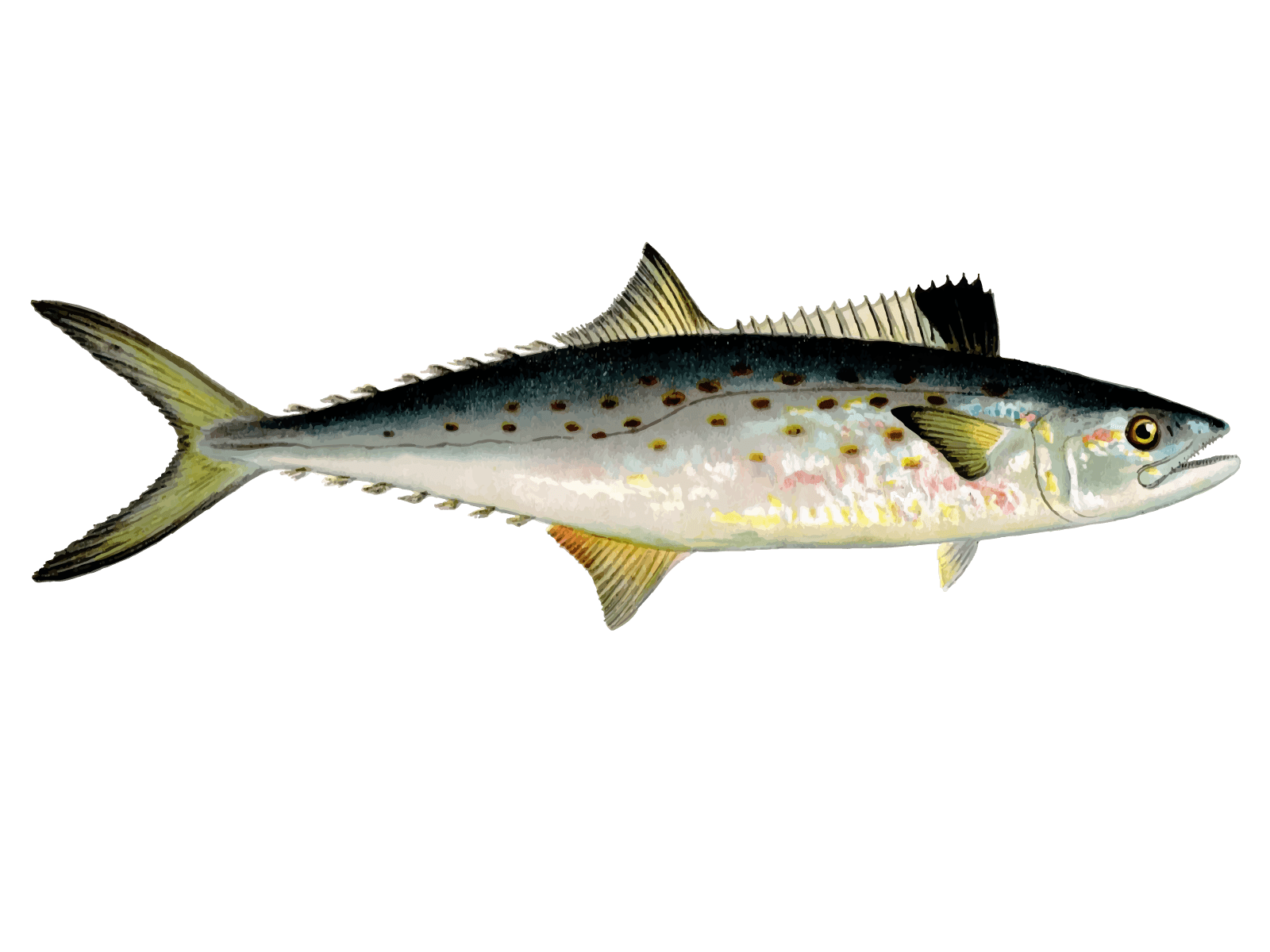
Spanish Mackerel Overview
The Spanish Mackerel (Scomberomorus maculatus) is a highly prized member of the Scombridae family within the order Perciformes, and it stands out as one of the ocean's most exhilarating game fish. Known for its sleek, silvery body adorned with distinctive yellowish oval spots and a dark greenish back, this species is instantly recognizable to anglers and seafood enthusiasts alike. What really sets the Spanish Mackerel apart is its incredible speed—clocking in at an average of 5.5 meters per second, making it one of the fastest swimmers in the ocean. Whether you're fishing off the coast of Florida or exploring the Gulf of Mexico, encountering a school of these magnificent fish is an unforgettable experience that combines excitement, challenge, and culinary reward.
Spanish Mackerel Habitat and Distribution
Spanish Mackerels thrive in tropical and subtropical waters throughout the Atlantic Ocean, Gulf of Mexico, and along both coasts of Florida. These fish are highly migratory, traveling seasonally from the northern Atlantic coast down to Mexico during winter months, and they can be found in virtually every ocean on the planet. They prefer areas with structures—whether offshore reefs, nearshore flats, oyster bars, or jetties—where they can hunt and school effectively. In warmer months, schools tend to move closer to shore, making them accessible to surf and pier fishers, while cooler seasons push them into deeper offshore waters. The species thrives in both open waters and coastal environments, making them versatile targets for different fishing approaches and experience levels.
Spanish Mackerel Size and Weight
Spanish Mackerels are relatively fast-growing fish, reaching full maturity in just two years. A typical adult specimen measures between 20 to 24 inches in length and weighs approximately 8 to 11 pounds. However, these fish can grow substantially larger under ideal conditions. The species regularly reaches sizes of 2 to 3 feet in length, with specimens weighing well over 30 pounds being fairly common among dedicated anglers. The largest Spanish Mackerel ever officially recorded measured just over 6 feet long and weighed approximately 120 pounds—a remarkable catch taken from the waters off Fraser Island, Australia. For most recreational fishing outings, expect to encounter fish in the 2 to 4-pound range, though larger specimens are always a thrilling possibility, especially when targeting schools in prime offshore locations.
Spanish Mackerel Diet and Behavior
As carnivorous predators, Spanish Mackerels are aggressive hunters with diverse appetites. They primarily feed on herring, menhaden, sardines, mullet, needlefish, and anchovy, but they'll also opportunistically consume shrimp, crabs, and squid when available. Their feeding behavior is characterized by lightning-fast strikes and explosive surface activity, especially when schools are actively hunting baitfish. These fish are highly social and often swim in large, coordinated schools that can stretch up to 20 miles in length—a sight that gets anglers' hearts racing. Their aggressive nature makes them exciting to target, as they respond enthusiastically to both live bait and artificial lures. Spanish Mackerels can live up to 25 years in the wild, providing experienced fish populations that know how to evade capture and deliver memorable battles on the line.
Spanish Mackerel Spawning and Seasonal Activity
Spanish Mackerels spawn during warmer months, with females releasing between 500,000 to 1.5 million eggs throughout the spawning season. The eggs are buoyant due to oily drops within them, allowing them to drift with ocean currents until fertilized by sperm released by males. Seasonal migration patterns are pronounced in this species: during winter, populations move southward toward Mexico and deeper waters, while spring and summer see them returning northward and moving closer to coastal areas. This predictable seasonal movement allows anglers to plan fishing trips strategically. In warmer weather, schools position themselves in shallower waters near shore, creating excellent opportunities for beach, pier, and jetty fishing. Conversely, winter fishing often requires offshore ventures into deeper waters where larger, more mature fish congregate.
Spanish Mackerel Techniques for Observation or Capture
Offshore Trolling and Drifting: One of the most effective methods for targeting Spanish Mackerels is trolling or drifting on boats through open water structures where schools congregate. Look for bait activity on the surface, diving birds, or use a fish finder to locate schools. Approach slowly and quietly to avoid spooking the fish, then present heavy metal lures or shiny spoons at varying depths. Use a medium 7 to 8-foot rod with 12-20 pound braided line and 1/0-2/0 circle hooks. Live bait such as sardines, mullet, minnows, or greenbacks presented on appropriate-sized hooks work exceptionally well.
Nearshore Casting Around Structures: For anglers based near shore, targeting Spanish Mackerels around oyster bars, flats, and nearshore structures yields consistent results. Cast heavy metal lures, shiny spoons, or plastics with jig heads toward structure edges and retrieve with medium-to-fast action to trigger strikes. Light to medium spinning tackle works perfectly for this approach. Around coastal areas like Florida's Gulf Coast and Atlantic shores, early morning hours and the hour before sunset often produce the most active feeding windows.
Surf, Pier, and Jetty Fishing: During warmer months when schools move into shallower waters, surf fishing from beaches, piers, and jetties becomes highly productive. Cast spoons and jigs into areas where baitfish are active, or use live-bait fishing with shrimp and small fish. Stay mobile along piers and jetties to locate actively feeding schools. Around popular fishing destinations, experienced anglers recommend fishing the deeper drop-offs near jetties where Spanish Mackerels often patrol. These locations provide excellent opportunities for even novice anglers to experience the thrill of hooking into a fast, powerful fish.
Spanish Mackerel Culinary and Nutritional Notes
Spanish Mackerel is widely considered excellent eating with a mild, not-overly-fishy flavor that appeals to diverse palates. The flesh is both flaky and tender, offering remarkable versatility in the kitchen. It can be grilled, baked, smoked, fried, steamed, or poached, making it suitable for numerous cuisines and cooking styles. The fish is particularly popular in Japan and other countries as a premium sushi ingredient, prized for its quality and flavor. Nutritionally, Spanish Mackerel is a powerhouse—packed with omega-3 fatty acids and high-quality protein that support heart health, reduce inflammation, and provide sustained energy. A single serving delivers significant percentages of daily recommended values for essential nutrients. Beyond its culinary appeal, Spanish Mackerel has become increasingly valued in sustainable seafood discussions, particularly as fishing regulations and catch limits have helped restore populations after decades of heavy commercial fishing.
Spanish Mackerel Frequently Asked Questions
Q: What is the best bait and tackle setup for Spanish Mackerel fishing?
A: For optimal results, use medium 7 to 8-foot spinning rods with 12-20 pound braided line and 1/0-2/0 circle hooks. Live bait such as sardines, mullet, minnows, greenbacks, and live shrimp are highly effective, as are cut bait like squid. For artificial lures, focus on heavy metal spoons and shiny lures that create vibration and flash to attract aggressive strikes. Plastics rigged on jig heads also produce consistent results.
Q: Where can I find Spanish Mackerel near the Florida coast?
A: Spanish Mackerel are abundant throughout Florida's Atlantic and Gulf coasts, particularly around structures like oyster bars, jetties, and offshore reefs. During warmer months, check nearshore flats and beaches where schools move into shallower waters. Offshore, look for bait schools and diving birds that indicate feeding activity. Local fishing reports and guides can pinpoint current hotspots, as schools migrate seasonally through predictable routes.
Q: Is Spanish Mackerel good to eat?
A: Absolutely—Spanish Mackerel is considered excellent eating with mild flavor and flaky, tender texture. It's versatile enough to be grilled, baked, smoked, fried, or enjoyed raw as sushi. The fish is rich in omega-3 fatty acids and protein, making it as nutritious as it is delicious. Many seafood enthusiasts rank it among their favorite fish for both restaurant preparation and home cooking.
Q: When is the best time to catch Spanish Mackerel?
A: Spring through early fall offers peak activity, with summer providing the most consistent action as schools move into shallower coastal waters. Early morning and evening hours typically produce more aggressive feeding. Winter fishing is possible but requires offshore ventures, as populations migrate southward and into deeper waters. Water temperature and seasonal migration patterns drive availability, so checking local conditions before planning a trip ensures the best odds of success.
Q: How fast is a Spanish Mackerel, and how does that affect fishing?
A: Spanish Mackerels are among the ocean's fastest fish, averaging 5.5 meters per second, which translates to explosive, thrilling strikes and hard-fighting battles. Their speed means they hit lures and bait aggressively and require responsive rod work to set the hook effectively. Use fast-action rods and stay alert—misses happen quickly with this species, but successful hookups deliver one of freshwater and saltwater fishing's most rewarding experiences.
Q: Are there regulations for Spanish Mackerel fishing?
A: Yes, fishing regulations are in place to protect Spanish Mackerel populations and ensure sustainable fishing. Minimum size restrictions apply in both Atlantic and Gulf of Mexico waters, with catch limits divided between commercial and recreational fishers. These regulations, implemented after overfishing reduced populations significantly, have been highly successful in restoring fish numbers. Always check current local and state regulations before fishing, as rules vary by region and change seasonally.